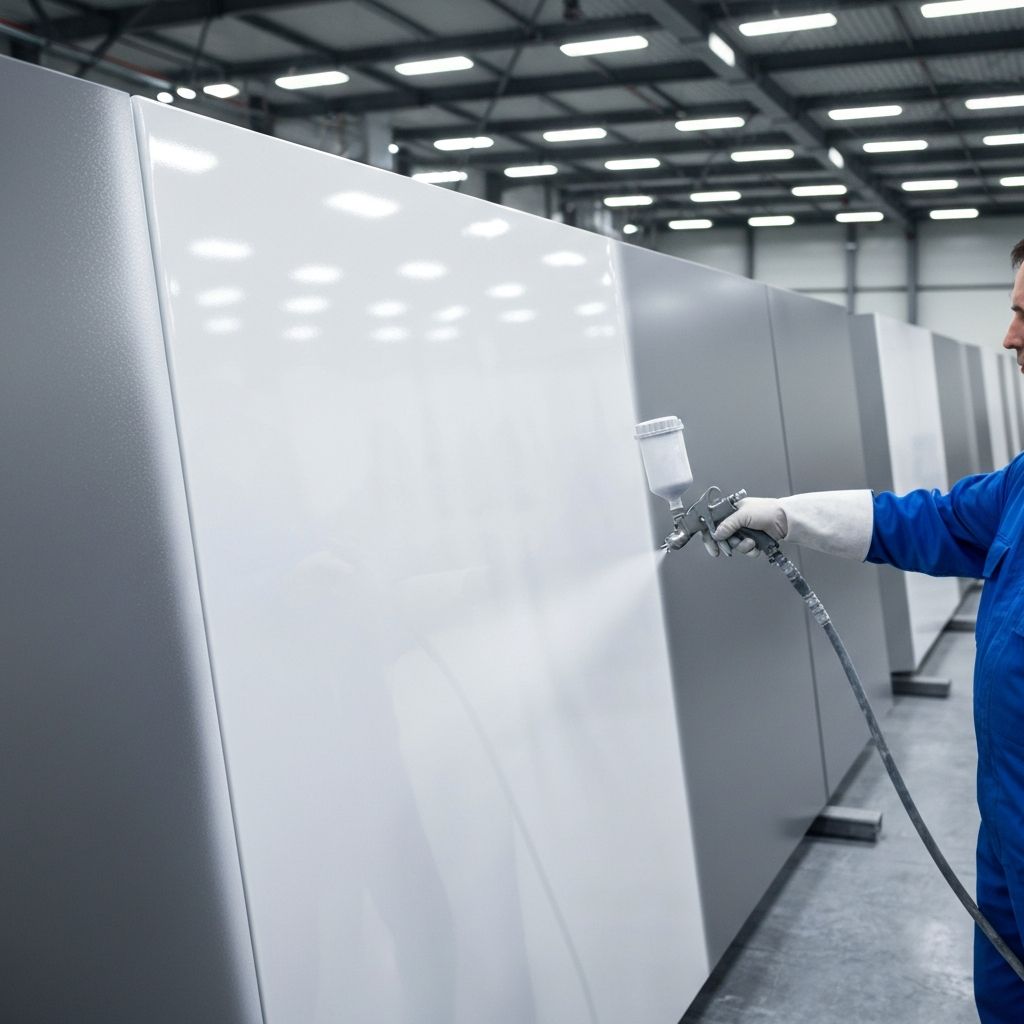
인쇄 후가공 (Post-Printing Finishing)
다양한 후가공 기법으로 인쇄물의 가치를 높입니다
인쇄 후가공은 말 그대로 ‘인쇄가 끝난 뒤에 더해지는 작업’으로, 인쇄물을 보호하고, 더 예쁘게 보이게 하고, 기능을 추가하는 과정입니다. 기본적인 예로는 코팅(무광·유광), 박막 코팅(라미네이팅), 접지, 재단 등이 있습니다. 예를 들어 리플릿이나 브로슈어 표지에 무광 코팅을 하면 손자국이 덜 타고, 유광 코팅을 하면 색이 더 쨍하고 선명하게 살아나 완성도가 높아집니다. 조금 더 장식적인 후가공으로는 형압(엠보싱/디보싱), 박(금박·은박·컬러박), 부분 유광/무광 UV, 도무송(특수 칼선) 등이 있습니다. 로고 부분만 오톨도톨하게 올리거나(엠보싱), 반짝이는 금박을 입히면, 보는 순간 “고급스럽다”는 인상을 줄 수 있습니다. 패키지, 명함, 초대장, 기프트 바우처 같은 인쇄물에서 브랜드 이미지를 강하게 전달할 때 많이 사용하는 방식입니다. 또한 후가공은 단순히 꾸미기만 하는 것이 아니라 사용성을 높이는 역할도 합니다. 카탈로그나 리플릿에는 중철·무선·스프링 같은 제본 방식이 들어가고, 접지 방식에 따라 정보 흐름이 달라집니다. 일부 인쇄물은 미싱(점선) 후가공을 넣어 쉽게 뜯어서 사용하는 쿠폰, 응모권, 티켓처럼 만들기도 합니다. 이처럼 인쇄 후가공은 디자인과 실물 사이를 연결해, “화면에서 보던 시안”을 실제로 손에 쥐었을 때의 만족감을 결정짓는 중요한 단계입니다.
Print finishing refers to all the processes applied after printing to protect the piece, enhance its appearance, and sometimes add extra functions. Typical examples include coating (matte or gloss), lamination, folding, and trimming. For instance, applying a matte coating on a brochure cover reduces fingerprints and gives a calm, refined look, while a gloss coating makes the colors pop and feel more vivid, increasing the overall quality. More decorative finishing options include embossing/debossing, hot foil stamping (gold, silver, or colored foils), spot gloss/matte UV, and die-cutting. Raising only the logo with embossing or adding a metallic foil instantly gives a premium impression. These techniques are often used on items like packaging, business cards, invitations, and gift vouchers when you want the brand image to feel sophisticated and memorable. Finishing is not just about decoration; it also improves usability. Catalogs and leaflets can be saddle-stitched, perfect bound, or spiral bound, and the folding style directly influences how the story flows. Some printed materials use perforation so that parts can be torn off easily, like coupons, raffle tickets, or admission tickets. In this way, print finishing bridges the gap between design and physical reality, playing a key role in how impressive and satisfying the final product feels in the hand.
코팅 (Lamination)
코팅(Lamination)은 인쇄물 표면에 얇은 필름을 입혀 오염·마찰·습기로부터 내용을 보호하고, 동시에 광택이나 질감을 더해 완성도를 높이는 후가공입니다. 유광 코팅은 색을 선명하고 또렷하게 보여줘 프로모션용 리플릿이나 카탈로그에 많이 쓰이고, 무광 코팅은 빛 반사를 줄이고 고급스럽고 차분한 느낌을 줍니다. 이 외에도 손으로 만졌을 때 은은한 질감이 느껴지는 실크 코팅 등, 인쇄물의 용도와 브랜드 이미지에 맞춰 다양한 표면 효과를 선택할 수 있습니다.
Lamination is a finishing process in which a thin film is applied to the surface of printed materials to protect them from dirt, abrasion, and moisture while enhancing their visual and tactile quality. Gloss lamination makes colors look more vivid and striking, which is ideal for promotional leaflets and catalogs, while matte lamination reduces reflections and creates a calm, premium feel. There are also options like silk lamination, which adds a subtle, soft texture to the touch. By choosing the right lamination type, you can match the look and durability of the print to the purpose of the piece and the brand’s image.
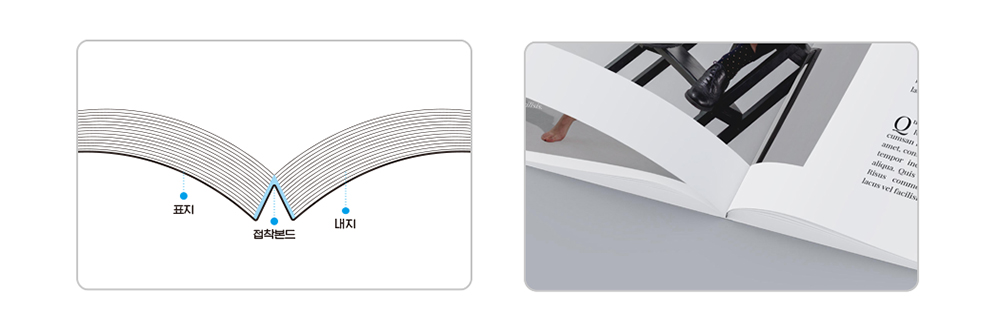
박 (Foil Stamping)
금박, 은박 등 금속성 필름을 열과 압력으로 인쇄물 표면에 전사하는 후가공 기법을 **박 인쇄(foiling, foil stamping)**라고 합니다. 얇은 금속성 필름이 종이 위에 얹히면서, 잉크로는 표현하기 어려운 강한 반사와 메탈릭 광택이 살아나 고급스러운 분위기를 만들어 줍니다. 일반 인쇄 위에 포인트를 더하는 방식이라, 로고나 브랜드명, 중요한 키워드에만 선택적으로 사용하면 시선이 자연스럽게 그 부분으로 집중되는 효과를 얻을 수 있습니다. 이러한 금·은박 후가공은 명함, 초대장, 패키지, 기프트 바우처 등 브랜드 이미지를 인상적으로 남겨야 하는 인쇄물에 많이 활용됩니다. 특히 두꺼운 고급지, 무광 코팅지 위에 금속성 박을 더하면, 종이의 차분한 질감과 메탈의 반짝임이 대비되면서 한층 더 세련된 느낌을 줍니다. 로고를 살짝 도톰하게 올리는 엠보싱과 함께 사용하면, 눈으로 보는 것뿐만 아니라 손끝으로 느껴지는 촉감까지 더해져, 짧은 만남에도 “퀄리티 있는 브랜드”라는 인상을 강하게 심어 줄 수 있습니다.
Foil stamping is a finishing technique in which metallic films such as gold or silver are transferred onto the surface of printed materials using heat and pressure. A thin metallic layer is bonded to the paper, creating a reflective, metallic shine that cannot be achieved with standard ink. Because it is applied selectively on top of the regular printing, it works especially well when used to highlight specific elements such as logos, brand names, or key phrases, naturally drawing the viewer’s attention to those focal points. Thanks to its luxurious and elegant effect, foil stamping is widely used for printed pieces that need to leave a strong brand impression, such as business cards, invitations, packaging, and gift vouchers. When metallic foil is combined with premium thick stock or matte-laminated paper, the contrast between the soft, understated surface and the sharp metallic shine creates a sophisticated, high-end look. Paired with embossing to raise the logo or key motifs, foil stamping adds not only visual impact but also tactile richness, helping the brand feel refined and memorable from the very first touch.
홀로그램 박(Hologram Stamping)
홀로그램 박은 일반 금·은박보다 한 단계 더 화려한 무지갯빛 메탈릭 필름을 전사하는 후가공 기법입니다. 미세한 패턴이 새겨진 홀로그램 필름을 열과 압력으로 종이 표면에 눌러 붙이면, 보는 각도와 빛에 따라 색이 계속 바뀌며 반짝이는 효과가 나타납니다. 단순한 로고나 패턴이라도 홀로그램 박을 입히면 강한 시각적 임팩트가 생기기 때문에, 패키지·카드·티켓 등에서 “눈에 확 들어오는 포인트”를 만들고 싶을 때 많이 사용합니다. 특히 보안 요소를 겸한 정품 인증 라벨, 상품권, 기프트 카드 등에서는 위·변조 방지용으로도 활용됩니다. 홀로그램 박은 패턴과 면적, 조합 방식에 따라 분위기가 크게 달라집니다. 전체 면을 넓게 덮으면 강렬하고 미래적인 이미지가 연출되고, 로고나 아이콘 일부에만 선택적으로 사용하면 은근하면서도 세련된 포인트가 됩니다. 무광 코팅지나 딥 컬러 용지 위에 홀로그램 박을 더하면, 바탕은 차분하고 포인트만 화려하게 살아나 고급 패키지, 한정판 굿즈, 프로모션용 카드, 공연·페스티벌 티켓 등에서 효과적입니다. 인쇄·코팅·박 순서와 종이 두께, 잉크 색감까지 함께 고려해야 제대로 된 퀄리티가 나오기 때문에, 사전에 샘플 테스트를 통해 최적의 조합을 찾는 것이 중요합니다.
Holographic foil stamping is a finishing technique that uses rainbow-colored metallic film instead of standard gold or silver foil. A holographic film with a microscopic pattern is transferred onto the paper surface using heat and pressure, creating a shimmering effect that changes color as the viewing angle and light shift. Even simple logos or shapes become highly eye-catching when holographic foil is applied, which is why it is often used on packaging, cards, and tickets when a strong visual impact is needed. It is also commonly used on security labels, gift vouchers, and prepaid cards as an anti-counterfeiting feature. The look and mood of holographic foil depend heavily on the pattern, coverage area, and how it is combined with other finishes. Covering a large area creates a bold, futuristic feel, while applying it only to specific elements like logos or icons results in a more subtle yet stylish highlight. When holographic foil is placed over matte-laminated or deep-colored stock, the calm background contrasts with the vivid, shifting colors of the foil, making it ideal for premium packaging, limited-edition merchandise, promotional cards, and event or festival tickets. Because the final quality is influenced by the sequence of printing, coating, and foiling, as well as paper thickness and ink colors, it is important to run samples in advance to find the best combination.
엠보싱 & 디보싱 (Embossing & Debossing)
압력을 가해 종이나 가죽, 패키지 재질 등에 입체적인 굴곡을 만들어 내는 기법이 엠보싱·디보싱입니다. 금형(동판/아연판 등)을 위아래로 물린 뒤, 종이를 사이에 두고 눌러주면 표면이 위로 솟거나(엠보싱), 아래로 들어가면서(디보싱) 형태가 만들어집니다. 인쇄만으로는 평면에 머무는 로고·텍스트·패턴을 입체적으로 살려 주기 때문에, 손에 쥐었을 때 “만져지는 디자인”이라는 느낌을 강하게 줄 수 있습니다. 특히 빛이 비칠 때 생기는 그림자와 하이라이트 때문에, 별도의 색을 쓰지 않아도 고급스러운 포인트 연출이 가능합니다. 엠보싱은 로고나 마크를 볼록하게 올려 강조할 때 많이 사용하고, 디보싱은 안으로 파인 듯한 깊이감을 줄 때 활용합니다. 명함, 초대장, 패키지 박스, 다이어리 커버, 고급 봉투 등에서 자주 볼 수 있으며, 금박·은박 같은 박 인쇄와 함께 사용하면 시각적인 반짝임과 촉각적인 입체감이 동시에 살아나 더욱 고급스러운 인상을 줍니다. 종이의 질감, 두께, 색상에 따라 분위기가 달라지기 때문에, 브랜드 이미지에 맞는 재질을 선택하는 것이 중요합니다. 이렇게 엠보싱·디보싱은 단순한 장식이 아니라, 손으로 느끼는 경험까지 설계하는 후가공 기법이라고 보시면 됩니다.
Embossing and debossing are finishing techniques that create a three-dimensional surface on paper, leather, or packaging materials by applying pressure. A metal die (plate) is pressed against the material with the paper placed between the die and its counterpart, causing the surface to either rise (embossing) or sink (debossing). This brings logos, text, and patterns out of the flat printed surface and turns them into “tactile design” elements you can actually feel. Because of the way light hits the raised or recessed areas and creates subtle shadows and highlights, embossing and debossing can add a premium look even without using additional colors. Embossing is often used to raise logos or marks so they stand out, while debossing is chosen when you want a pressed-in, engraved feel with more depth. These techniques are commonly found on business cards, invitations, packaging boxes, diary covers, and high-end envelopes. When combined with foil stamping (gold, silver, or colored foils), they create both visual sparkle and tactile dimension, resulting in an even more luxurious impression. Since the final feel and mood vary depending on the texture, thickness, and color of the paper, it’s important to choose materials that match the brand’s image. In this way, embossing and debossing are not just decorative effects but finishing methods that intentionally design the experience of touch.
톰슨(Thomson)
톰슨(Thomson)은 인쇄물이 단순한 네모 형태를 넘어, 특수한 모양으로 재단되도록 칼선을 넣어 자르는 후가공 기법을 말합니다. 흔히 “톰슨가공”, “톰슨칼”, “도무송”이라고 부르며, 나무틀 위에 금속 칼날을 원하는 형태로 굽혀 박은 뒤, 그 틀로 종이를 눌러 잘라내는 방식입니다. 이를 통해 손잡이가 있는 패키지, 둥근 모서리, 창문이 뚫린 봉투, 입장권·태그·스티커처럼 독특한 외곽 형태를 가진 인쇄물을 만들 수 있습니다. 단순한 사각형보다 훨씬 눈에 잘 띄고, 제품·브랜드의 개성을 강하게 표현할 수 있는 점이 큰 장점입니다. 톰슨 가공에서는 칼선(커팅 라인)과 접는 선(오시), 미싱(점선) 설계가 매우 중요합니다. 접히는 부분은 종이가 찢어지지 않도록 눌러주는 오시 작업을 함께 넣어야 하고, 쿠폰이나 티켓처럼 일부를 뜯어쓰는 인쇄물은 톰슨과 미싱을 함께 사용해 기능성을 높입니다. 패키지 박스, 수량권, 목걸이형 네임택, 행태그, 비정형 리플릿·브로슈어 등 “형태 자체가 디자인”이 되는 작업에 널리 쓰이며, 톰슨 가공을 잘 활용하면 동일한 인쇄 내용이라도 훨씬 완성도 높은 결과물을 만들 수 있습니다.
“Thomson” (often called Thomson die-cutting or simply die-cutting) is a finishing technique used to cut printed materials into special shapes beyond the standard rectangle. A metal cutting blade is bent and mounted onto a wooden base in the desired outline, and this die is pressed onto the paper to cut it out. With this process, you can create packaging with handles, rounded corners, envelopes with windows, and tickets, tags, or stickers that have distinctive outer contours. Compared to simple rectangular pieces, die-cut items stand out more and strongly express the character of the product or brand. In Thomson die-cutting, the design of the cutting lines, fold lines (scoring), and perforations is critical. Folded areas need scoring so the paper bends cleanly without cracking, and items like coupons or tickets often combine die-cutting with perforation so parts can be torn off easily. This technique is widely used for packaging boxes, vouchers, hang tags, neck name tags, and irregularly shaped leaflets or brochures where the shape itself becomes part of the design. When used effectively, Thomson die-cutting can significantly elevate the perceived quality of printed materials, even when the printed artwork remains the same.
UV 코팅 (UV Coating)
UV 코팅(UV Coating)은 인쇄물 표면에 특수 코팅액을 도포한 뒤, 자외선(UV)으로 순간 경화시키는 후가공 기법입니다. 일반 코팅보다 표면이 더 단단해져 스크래치·오염·변색에 강하고, 유광 UV의 경우 아주 강한 광택이 나서 색상을 더 깊고 선명하게 표현할 수 있습니다. 카탈로그, 리플릿, 포스터, 패키지 등에서 표지나 주요 면에 적용하면 인쇄물이 훨씬 또렷하고 완성도 있게 보입니다. UV 코팅은 인쇄물 전체에 적용하는 전면 UV 코팅과, 특정 부분에만 선택적으로 올리는 **부분 UV(Spot UV)**로 나뉩니다. 전면 UV는 전체적인 보호와 강한 광택 연출에 적합하고, 부분 UV는 로고·타이틀·이미지 일부에만 반짝임을 주어 포인트를 살리는 데 효과적입니다. 특히 무광 코팅 위에 부분 UV를 올리면, 바탕은 차분하고 포인트만 유광으로 떠오르는 대비 효과가 생겨 고급 패키지나 브로슈어에서 자주 사용됩니다.
UV coating is a finishing process in which a special liquid coating is applied to the surface of printed materials and then instantly cured with ultraviolet light. Compared to standard coatings, UV coating creates a harder, more durable surface that is highly resistant to scratches, dirt, and discoloration. Gloss UV in particular produces a very strong shine, making colors appear deeper and more vibrant, which is ideal for covers and key pages in catalogs, leaflets, posters, and packaging. There are two main types of UV coating: overall (flood) UV coating, which covers the entire surface, and spot UV coating, which is applied only to selected areas. Flood UV is suitable when you want both protection and strong overall gloss, while spot UV is perfect for highlighting specific elements such as logos, titles, or parts of an image. When spot UV is applied on top of a matte-laminated surface, the contrast between the calm, non-reflective background and the glossy highlights creates a sophisticated premium effect, making it a popular choice for high-end packaging and brochures.
미싱(Perforation)
미싱(Perforation)은 인쇄물에 **일정 간격으로 작은 구멍(점선)**을 내어, 사용자가 필요한 부분을 쉽게 뜯어낼 수 있게 만드는 후가공 기법입니다. 일반적인 재단처럼 완전히 잘라내는 것이 아니라, 연결은 되어 있지만 힘을 주면 자연스럽게 분리되도록 설계하는 방식입니다. 쿠폰, 영수증 하단, 응모권, 티켓, 일련번호가 있는 바우처, 납입고지서 분리선 등에서 자주 볼 수 있으며, “뜯어 사용하는” 기능을 부여하는 실용적인 가공입니다. 미싱 작업을 설계할 때는 인쇄물의 용지 두께, 방향, 찢어질 부분의 위치를 세심하게 고려해야 합니다. 구멍 간격이 너무 촘촘하면 쉽게 떨어져 나가고, 반대로 너무 넓으면 잘 뜯어지지 않아 사용성이 떨어집니다. 톰슨(도무송) 가공이나 접지선(오시)과 함께 사용하면, 패키지나 브로슈어 안에 부록 쿠폰, 티켓, 태그 등을 자연스럽게 포함시킬 수 있어 디자인과 기능을 동시에 만족시키는 구성이 가능합니다. 미싱은 겉으로는 단순한 점선처럼 보이지만, 실제 사용성을 크게 좌우하는 중요한 후가공 요소입니다.
Perforation is a finishing technique that creates a series of small, evenly spaced holes in printed materials so that a specific section can be torn off easily. Unlike full cutting, perforation leaves the paper technically connected, but weak enough to separate cleanly with a light pull. This is commonly used for coupons, the detachable part of receipts, entry forms, tickets, numbered vouchers, and payment slips—any printed piece that is designed to have a “tear-off” section for practical use. When designing perforation, it is important to carefully consider factors such as paper thickness, grain direction, and the exact position of the tear line. If the holes are too close together, the section may fall off too easily; if they are too far apart, it can be difficult to tear, reducing usability. Combined with die-cutting (Thomson) or scoring for folds, perforation allows you to integrate coupons, tickets, or tags naturally inside packaging or brochures, achieving both functional and aesthetic goals. Although it may appear to be just a simple dotted line, perforation plays a crucial role in how conveniently and pleasantly the printed piece can be used in real life.
레이저 천공(Laser Perforation)
레이저 천공(Laser Perforation)은 레이저 빔으로 종이나 필름, 패키지 소재에 아주 미세한 구멍을 일정 패턴으로 뚫는 후가공 기법입니다. 일반 미싱처럼 눈에 보이는 큰 점선이 아니라, 거의 보이지 않을 정도의 작은 홀을 고밀도로 배열할 수 있어, 디자인을 해치지 않으면서 ‘잘 뜯어지는 기능’을 만들 수 있는 것이 장점입니다. 포장 패키지에서는 숨구멍(통기성)을 만들어 주거나, 개봉이 잘 되도록 도와주는 이지 오픈(Easy Open) 기능으로도 많이 쓰입니다. 또한 레이저 천공은 구멍의 밀도, 크기, 패턴을 자유롭게 설계할 수 있어, 기능과 디자인을 동시에 노릴 수 있습니다. 역광에서 보면 패턴이 은은하게 드러나거나, 실제로 뜯었을 때 깨끗하게 분리되도록 조절이 가능하기 때문에, 고급 식품 패키지, 티켓, 쿠폰, 필터용지, 특수지 브로슈어 등에서 점점 활용 빈도가 높아지고 있습니다. 칼이나 펀칭으로는 구현하기 어려운 초미세 홀 작업을 데이터만으로 반복 재현할 수 있다는 점이 레이저 천공의 가장 큰 강점입니다.
Laser perforation is a finishing technique that uses a laser beam to create very fine, evenly spaced holes in materials such as paper, film, and packaging stock. Unlike conventional perforation, which leaves clearly visible dotted lines, laser perforation can produce micro holes that are barely noticeable to the eye. This allows you to add “easy-tear” functionality or breathability to a product without disrupting the overall design. It is often used in packaging to help air circulation or to make openings easier to tear, functioning as an easy-open feature. Because the density, size, and pattern of the holes can be precisely controlled, laser perforation can serve both functional and aesthetic purposes. Under backlight, the perforated pattern can subtly appear as a design element, while still tearing cleanly when used as a tear-off section. This makes it increasingly popular for premium food packaging, tickets, coupons, filter papers, and specialty brochures. Its biggest advantage is the ability to repeatedly reproduce ultra-fine perforation patterns directly from digital data, something that is difficult to achieve with traditional blades or mechanical punching.
© 이미지웍스의 모든 이미지는 저작권의 보호를 받습니다. 외부 사용 시 사전 허가가 필요하며, 공유하실 때는 반드시 'ImageWorks'를 출처로 표기해 주세요.
© All images by ImageWorks are protected by copyright. External use requires prior permission; when sharing, please credit “ImageWorks” as the source.